A Clear Blueprint for Spotless Results.
Our four-phase protocol is designed to eliminate guesswork and deliver consistency. Every task, every surface, every time.
- ✓ Assessment & material mapping
- ✓ Precision execution with verified tools
- ✓ Rigorous internal audit (50+ points)
- ✓ Discreet, documented handover
The NeatFlowy Protocol
Our method is a closed-loop system. Each phase validates the last, ensuring nothing is missed. It is our internal benchmark—the standard we measure every team against.
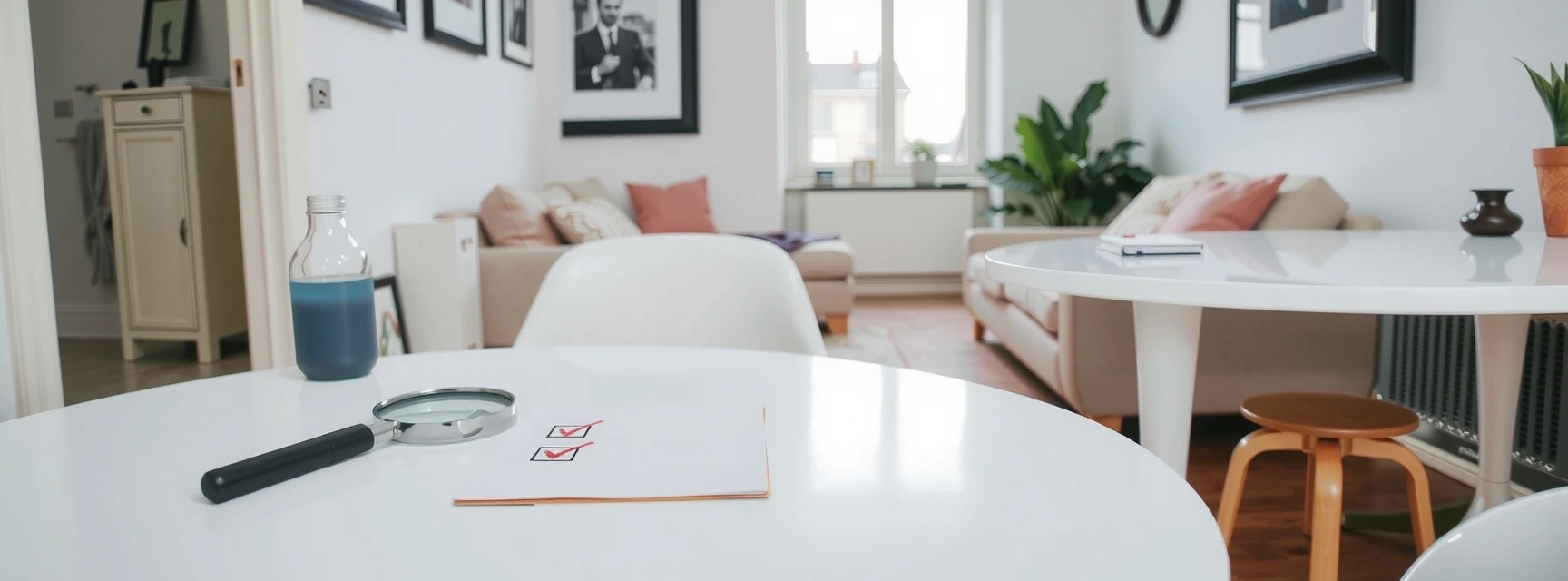
Diagnostic Walkthrough
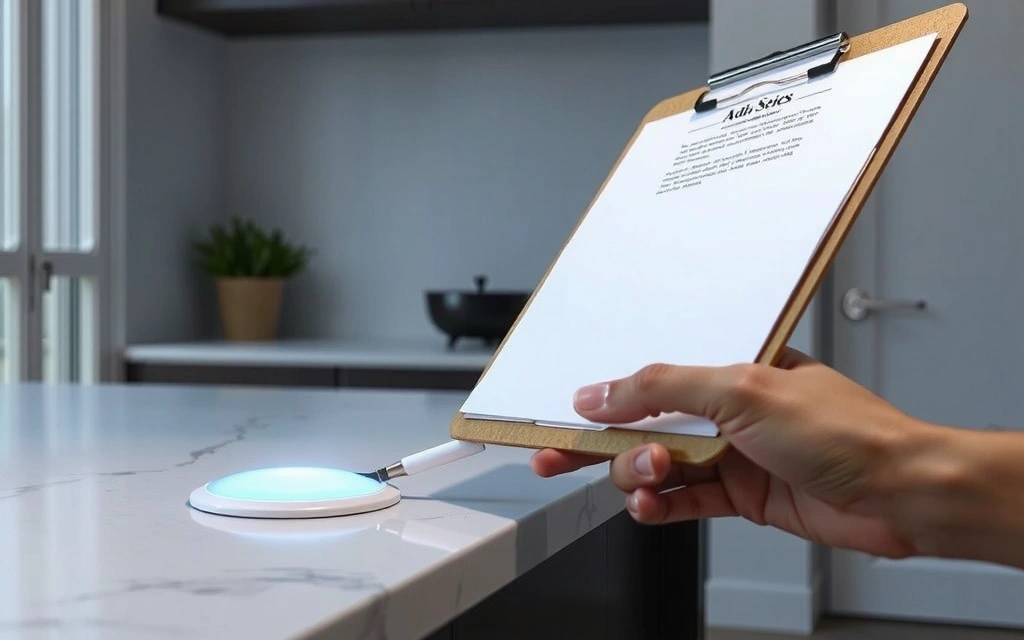
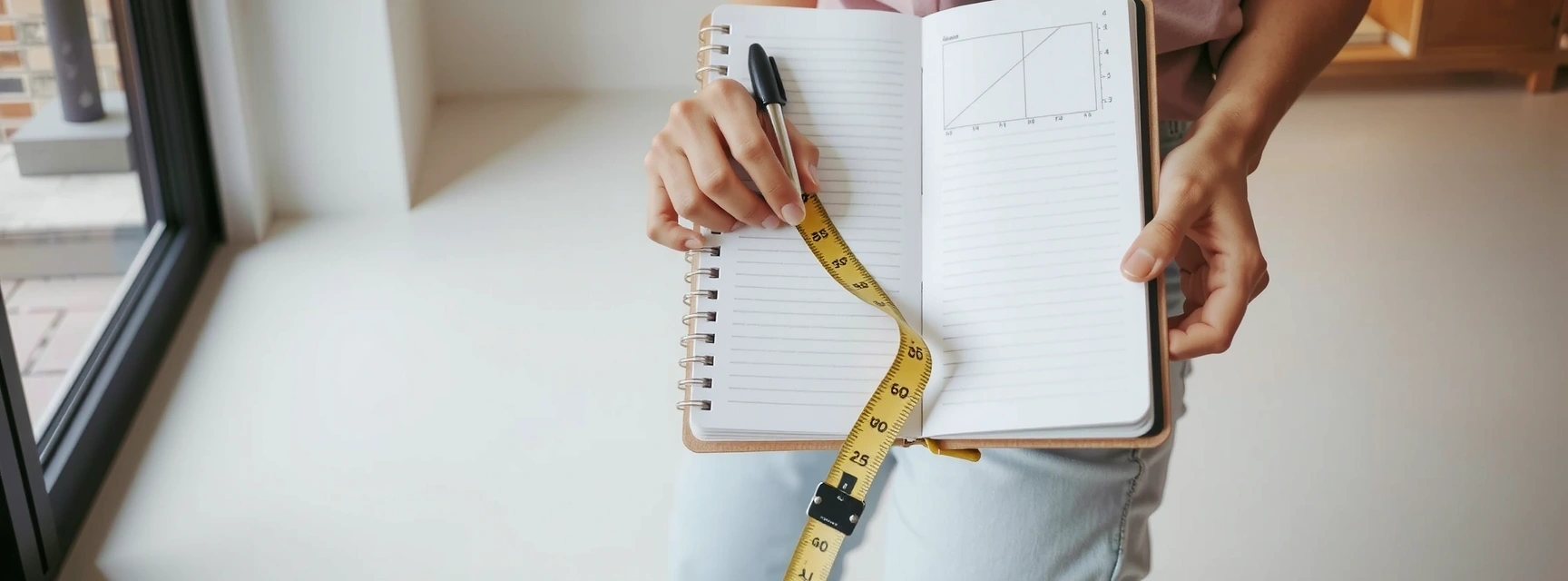
We begin by mapping your space. This isn't a cursory glance—it's a material audit and a priority interview. We identify high-traffic zones, delicate surfaces (hardwood, marble, textiles), and your specific expectations. The output is a custom checklist, visible to you.
Precision Execution
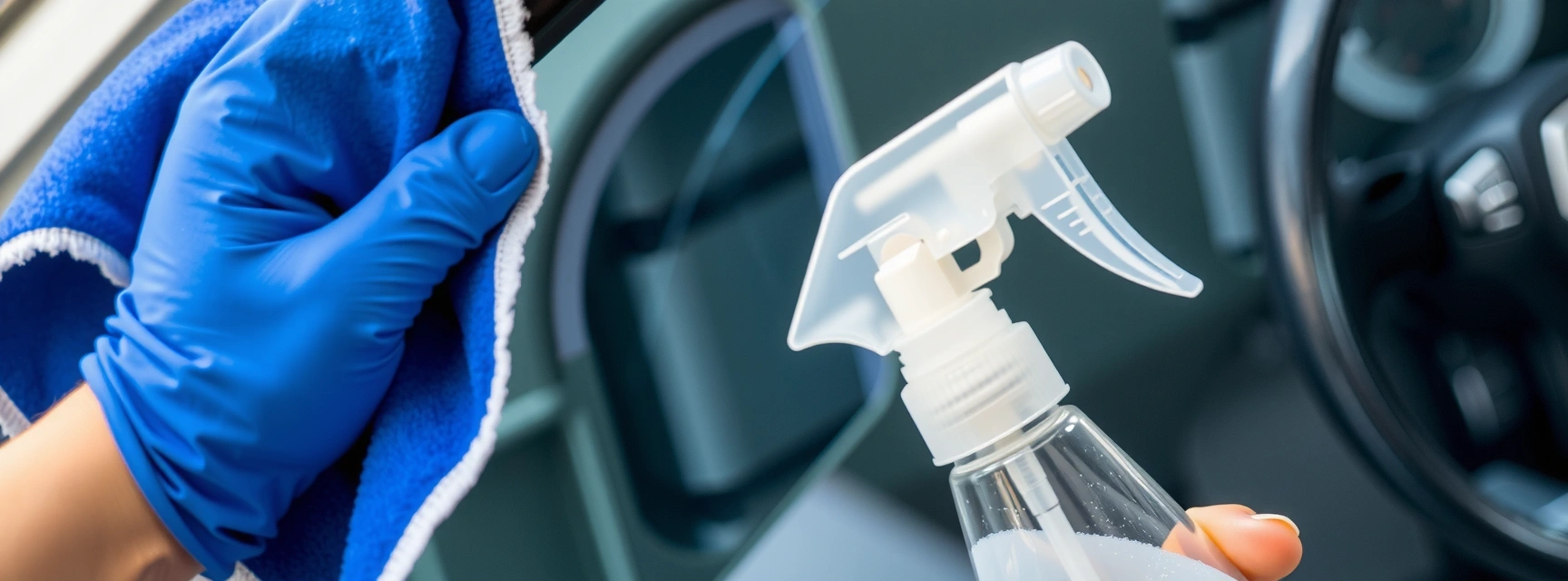
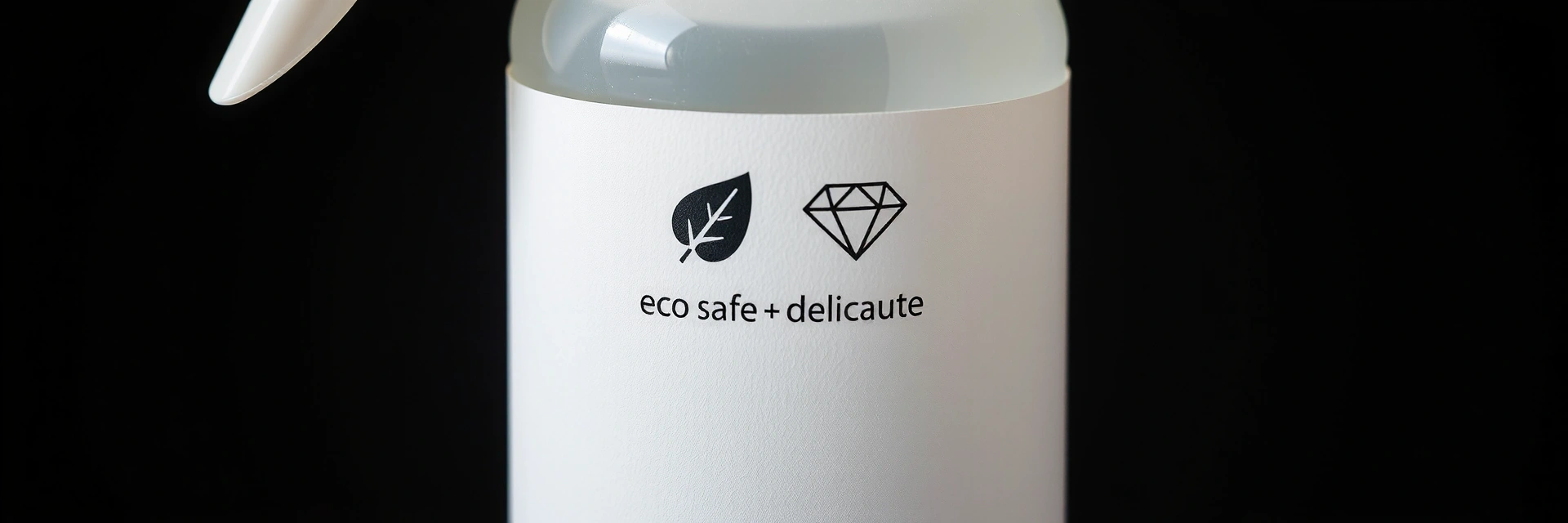
Execution follows a strict, gravity-assisted 'top-to-bottom' rule to prevent re-soiling. We deploy HEPA-filter vacuums and a color-coded microfiber system (one color per surface) to avoid cross-contamination. Our pH-neutral, biodegradable agents are selected for the specific material mapped in Phase 1.
White Glove Audit
Before we consider a job complete, a team lead conducts a secondary 50-point inspection. This includes light-streak checks, the 'touch test' for residue, and an olfactory review for neutrality. Only after passing this audit does the team lead sign off.
Seamless Handover
The exit is designed to be as quiet as the entry. We provide a brief final walkthrough to confirm satisfaction, share a digital service log, and offer a guide to help maintain the pristine condition for the next 48 hours. Scheduling your next cycle is optional and discussed transparently.
Our Terminology, Our Standards
We use specific terms to describe our process. Understanding them clarifies what you're paying for and sets realistic expectations.
Color-Coded Microfiber System
A rigid protocol where each color (blue for glass, green for general surfaces, red for bathrooms) is used in only one area of the home to prevent cross-room contamination. It's non-negotiable.
HEPA-Filtered Containment
Vacuums with H13-grade filters trap 99.95% of particles. We insist on this because it ensures allergens and dust are removed from the environment, not just relocated.
Top-to-Bottom Gravity Rule
We clean ceilings and shelves first, letting debris fall. Floors and baseboards are always last. This simple physics principle is the most effective way to avoid cleaning the same area twice.
White Glove Audit
Not a metaphor. A team lead, distinct from the cleaner, inspects using a specific checklist. Passing this audit is the trigger for our team to leave your property.
Common Pitfalls & Our Mitigations
The Problem: Inconsistent Results
Most clients experience cleanings that vary by team or day. The source is usually an absence of standard protocols.
The Problem: Surface Damage
Using the wrong product (e.g., acidic cleaner on marble) or abrasive tools can cause permanent, costly harm.
The Problem: Lingering Chemical Odors
Strong perfumes in cleaners often mask underlying issues and can trigger sensitivities or allergies.
The Problem: Missing Details
A standard clean often skips interior cabinets, baseboards, or inside windows, leaving obvious dust lines.
Note: These mitigations rely on strict protocol adherence. They are not 'add-ons' but baseline service components.
The process isn't about rushing. It's about sequence. By diagnosing first, executing with the right tools, and verifying twice, we save time in the long run and protect your investment. For you, it translates to predictable quality and a space that feels maintained, not just washed.
The Method in Practice
Tool DeploymenT
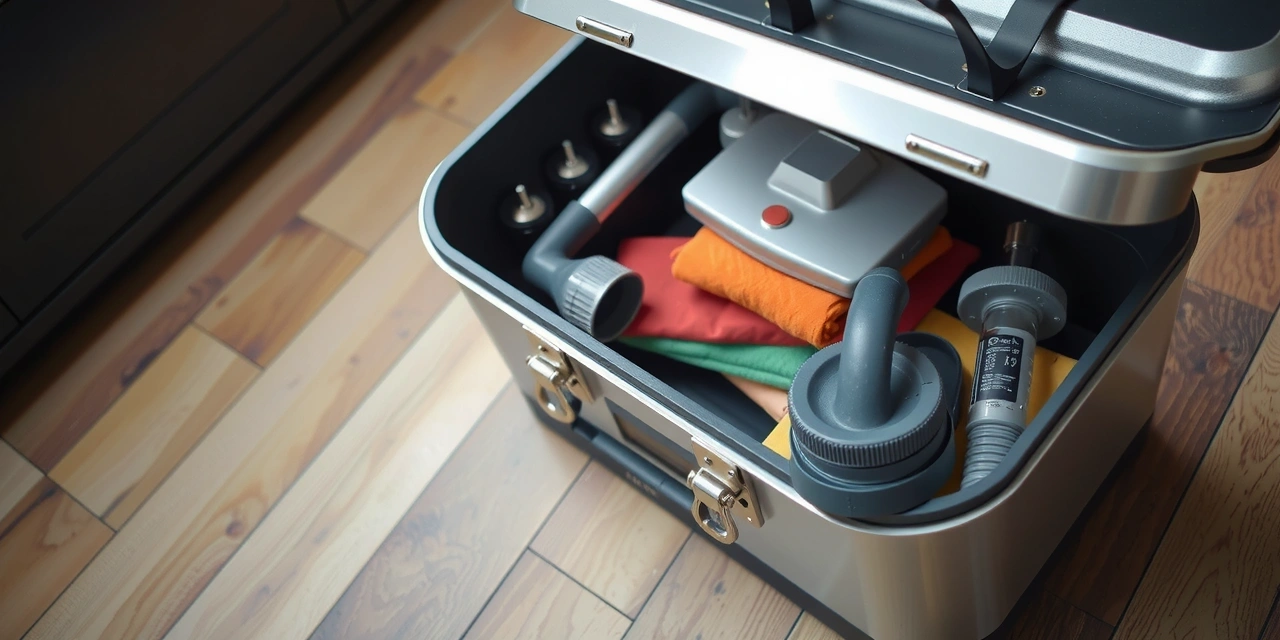
We don't use a single 'all-purpose' tool. The vacuum for a wool rug has a different setting than for a hardwood floor. The brush for a baseboard is different from a ceiling fan blade. The system ensures the right tool touches the right surface.

The 'Hidden Dust' Audit
Standard cleaning is visual. Our audit includes UV light checks for organic residues (like urine or food spills) and high-angle light reveals for dust on horizontal surfaces. This is how we catch what the human eye misses.
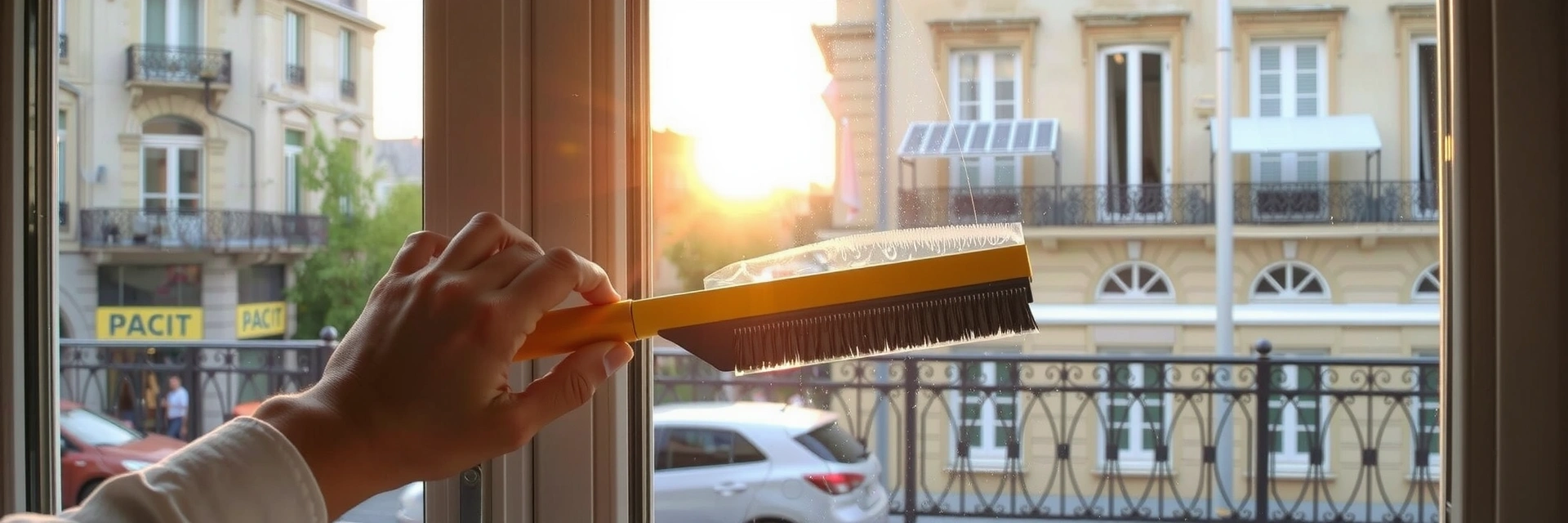
Before a Friday Dinner Party
Constraint: The client, a busy consultant, had a full work week and a 20-person dinner scheduled for Friday evening. The apartment needed a deep clean by 3 PM Thursday. Access is via a narrow stairwell (no elevator).
Process Application: The diagnostic identified main high-traffic zones (entry, kitchen) and delicate surfaces (antique oak table). Protocol mandated a pre-visit confirmation of stairwell access. Phase 2 execution focused on the kitchen and living area first (the party spaces), using rapid-drying eco-products. The audit phase prioritized visible, high-use areas. The team lead scheduled the exit for 2:45 PM.
Outcome: The space was clean, neutral-smelling, and ready by the client's 3 PM check-in. No furniture had to be moved awkwardly in the stairwell. The client hosted their party with one less stressor, and the antique table remained undamaged.
This is a realistic application of our protocol. We cannot guarantee your specific results, but we can guarantee the method we use to achieve them.
Transparency is a Practical Guarantee
We do not promise a perfect result, because perfection is subjective. We do promise a clear, repeatable process that minimizes error, maximizes thoroughness, and gives you full visibility into what you're paying for. The quality is the inevitable byproduct of the protocol.
See the Full Protocol in Your Quote